Inbound & Outbound Call Management | Power Up Dealership Performance

Satish Negi | Call Center, Customer Service, Inbound & Outbound Call Management | , , , , , ,

Calls still matter in dealerships. Many buyers prefer to speak to a real person. They ask questions. They want quick answers. And they expect follow-ups. If calls are missed or rushed, deals slip away. Good call management helps avoid that.

This blog explains how inbound and outbound calls support dealership performance. It focuses on structure, timing, and consistency. No hype. Just what works.

Why calls matter in dealership sales

A call is often the first real contact. It sets the tone. A clear and calm response builds trust. A rushed or missed call does the opposite.

Many dealerships spend on ads but lose leads on the phone. That loss is silent. It does not show up in reports. But it hurts sales.

Handling calls well is not about scripts. It is about listening. It is about responding with the right information. And doing it on time.

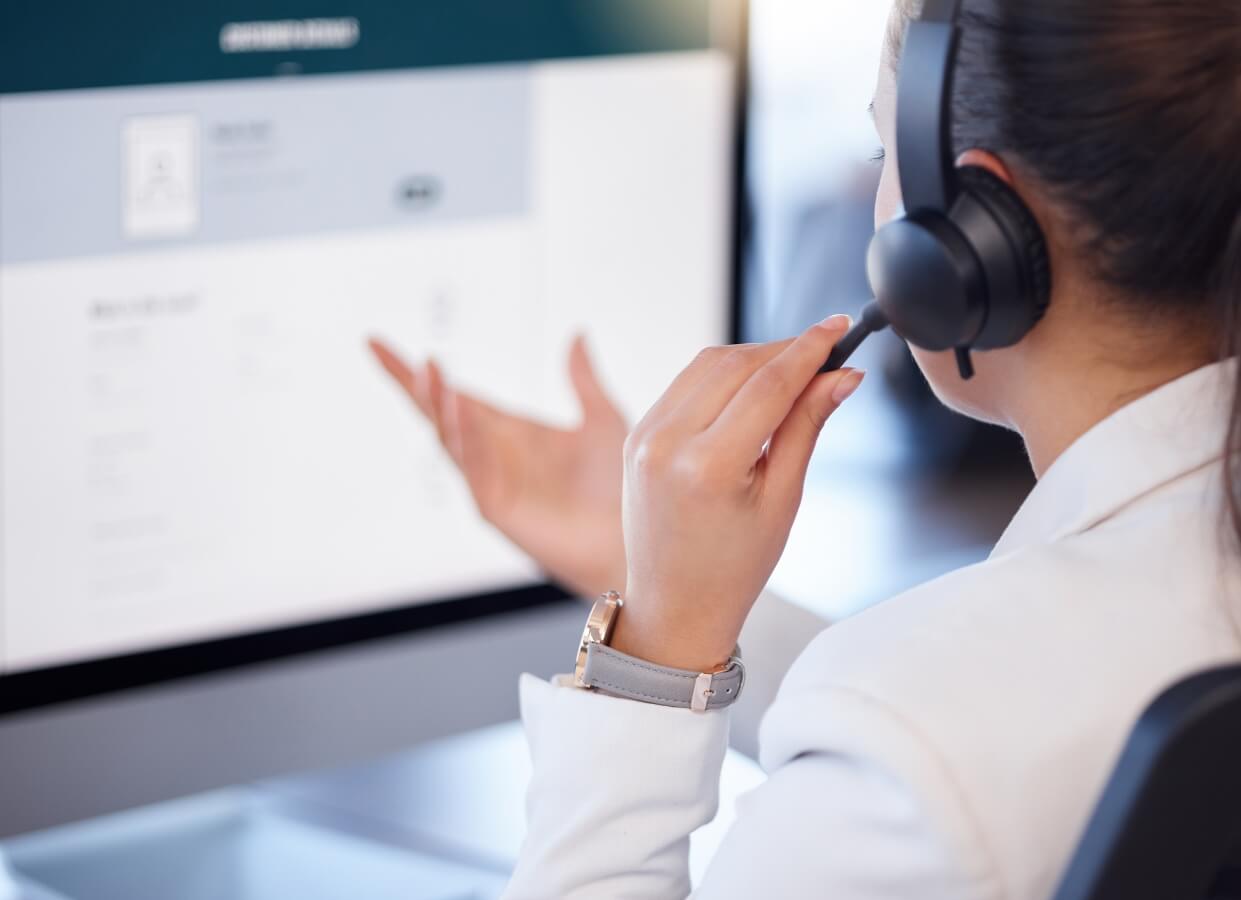
A rep displaying how an automotive business development center can help dealerships grow

Managing incoming calls the right way

Inbound calls usually come from active buyers. They are asking about price, stock, or availability. Some want service details. Others want test drives.

This is where Inbound and outbound call management plays a role. Calls need to reach the right team. Not bounce around. Not sit unanswered.

Clear call routing helps. So does proper training. Staff should know how to answer fast and stay focused. They should capture details without dragging the call.

Simple steps make a difference. Greet the caller. Ask why they are calling. Confirm details. And explain the next step.

Handling dealership calls without confusion

Dealerships deal with many call types. Sales. Service. Finance. Follow-ups. Each needs a different approach.

Inbound call handling for dealerships works best when roles are clear. Sales calls should not land with service staff. Service calls should not reach sales by mistake.

Call logs help too. They show missed calls. They show repeat callers. This helps teams spot issues early.

Short calls are fine. Clear calls are better. The goal is not to talk more. The goal is to help the caller move forward.

Why outbound calls still matter

Outbound calls are often ignored. That is a mistake. These calls help close deals. They confirm interest. They remind buyers who were not ready before.

A follow-up call shows effort. It shows the dealership cares enough to check back. But timing matters. Too early feels pushy. Too late loses interest.

Outbound calls should be planned. Not random. Each call should have a reason. A reminder. A check-in. Or an update.

When done right, outbound calls feel helpful. Not salesy. And that matters to buyers.

Scheduling calls to save time

Missed calls waste time for both sides. Call scheduling helps avoid that. It gives structure to follow-ups. It keeps staff organized.

With Inbound call scheduling solutions, teams can set call-back times. Buyers know when to expect a call. Staff know who to call next.

This reduces repeat calls. It also reduces frustration. Both sides stay on the same page.

Scheduling also helps managers. They can see workloads. They can adjust staffing. And they can keep service levels steady.

Keeping call data useful

Calls generate data. That data should not sit unused. Simple reports help spot trends.

Are calls missed at certain hours. Are follow-ups delayed. Are some staff overloaded. These answers help improve performance.

Call reviews help with training too. Not to blame. But to improve clarity and tone.

Small fixes often lead to better results.

Conclusion

Strong call handling supports steady growth. It helps dealerships respond faster, stay organized, and follow up on time. When calls are managed with care, buyers notice. It leads to better conversations and better outcomes. Customer Traac helps dealerships bring structure and clarity to their call processes, without adding complexity.


discover dealership success with 24/7 availability

Dealership Success: Creating 24/7 Availability

admin | Customer Service | , , ,

How many times have you found yourself perusing recommended products from Amazon well into the late-night hours? Or calling a business long after closing to leave a message so you won’t have to wait on hold the next day. Better yet, have you opted for a website chat to get information or troubleshoot a problem instead of calling or going to an actual brick-and-mortar store? The internet has vastly changed how we interact with businesses. After all, you can buy a car without ever talking to another human! So, in this digital age of “I know what I want, and I want it now,” how can dealerships be open for business when everyone has gone home for the day? Here are three ways you can improve communication and customer experience while driving dealership success.

Start with the CRM

Customer Relationship Management (CRM) systems existed long before the actual software was created. They usually required a well-organized salesperson and binders upon binders of customer details. Fortunately, today most dealerships utilize a CRM system that organizes customer data, tracks interactions, and even automates communication processes.

By segmenting leads based on their preferences and behavior, dealerships can tailor their marketing efforts and follow-up strategies accordingly. Automated email campaigns, personalized messages, and targeted promotions can keep leads (and even past customers) engaged and move them closer to a sale—even when the dealership is closed. Overall, investing in a comprehensive CRM system helps dealerships build lasting relationships with customers and maximize their sales opportunities around the clock.

Leverage Technology

Car dealerships can maximize prospective and current client interactions through various methods, even when closed. First, investing in an engaging online presence is a must. Dealerships should maintain active social media profiles, regularly posting engaging content, showcasing their inventory, and responding promptly to inquiries. Additionally, having a user-friendly website with comprehensive information about available vehicles, financing options, and contact details can keep potential customers engaged outside of business hours. Implementing live chat support or chatbots on the website can further facilitate immediate assistance and capture leads even when the dealership is closed.

Second, consider implementing emerging technology solutions like virtual reality or augmented reality on your website or mobile application. Both can offer a more immersive experience for customers browsing vehicles remotely. Additionally, by offering virtual showroom tours or interactive demonstrations of specific car features, dealerships can simulate the in-person experience and generate excitement among potential buyers. Integrating these technologies enables customers to explore vehicles (and your dealership) at their convenience, making it easier to maintain interest and drive conversions outside of regular business hours.

Prioritize Customer Interactions

Unsure where to upgrade your after-hours availability? Don’t worry. While a CRM, website live chat, and virtual showroom tool offer great ways to improve the customer experience without turning the lights on, you can determine (and prioritize) what will work best for your dealership. So, before signing a contract with a new software or outsourced service, take a step back and consider how your customers prefer to interact with you. From the website to email, floor ups to the service bay—and everything in between—your people are interacting with current and prospective clients all day long. But which channels convert best?

Consider vehicle purchases in the past 30, 60, or even 90 days. What are the lead sources for most of these sales? If the majority start out as internet leads, consider offering an after-hours live chat service on your website. Similarly, if a good portion calls into the dealership first, an answering service could be another way to capture more potential customers for those calls that come in after closing or on Sundays.

Remember, your customers are people—just like you! They read product reviews, watch videos on products they are interested in, and choose whether to email, call, or chat based on whatever sense of urgency they may be feeling. The best way to make sure you’re available when they need you is to provide options. They’ll pick whichever option they like best. But if the only option they have is to wait until 9:00 a.m. on Monday, you may never get a chance to talk with them again.

This article originally appeared in the May/June 2024 issue of Fixed Ops Magazine.


About the Author:

Andrea Oelschlager is an Account Executive for Customer Traac®, an automotive call center and BDC that helps dealerships across the country improve performance and profitability. With over 25 years of experience with Customer Traac, her background includes just about every role within the sales team, from manager to assistant. Her vast industry and solution knowledge and skills help her match dealerships with the services they need to reach business goals.

car salesman showcasing importance of human connection

Human Connection in the Digital Era

admin | Automotive BDC, Customer Service | , , , , , ,

Re-Incorporating People in Your Dealership’s Growth Plan

Technology continues to revolutionize every aspect of our lives and the automotive industry isn’t immune to its transformative powers. From cutting-edge CRM systems to virtual showrooms, the way we do business is evolving at breakneck speed. But among all these shiny new tools, there’s one timeless aspect that remains indispensable: human connection.

Customers today arrive at your dealership with an array of information gathered from their online research. They’ve already compared prices, read reviews, and scoped out their dream car’s specs. Customers are more informed and empowered than ever before, thanks to the wealth of information available at their fingertips.

So, where does that leave us? It might be tempting to rely solely on technology to streamline operations and enhance efficiency. And don’t get me wrong, technology has certainly revolutionized the way we work. CRM software tracks customer interactions, AI-powered chatbots handle initial inquiries, and predictive analytics help forecast inventory needs. It’s a brave new world out there, and we’re embracing it with open arms.

Your Dealership’s Secret Sauce

Your people, from the showroom receptionist to the advisors and technicians in the service drive, are the secret sauce that sets you apart from your competition. In a world dominated by screens and algorithms, there’s no substitute for genuine human connection. After all, behind every click, query, and purchase, there’s a customer with unique needs, desires, and emotions.

That’s why your staff is the face of your dealership, the frontline ambassadors who bring your brand to life. Technology might enhance their capabilities, but it can never replace their warmth, empathy, and expertise.

Take, for instance, the car-buying process. Sure, customers can browse inventory online, compare prices, and even complete financing applications from the comfort of their couch. But when it comes down to making the final decision, they crave reassurance and guidance from someone they trust. That’s where a knowledgeable salesperson can work wonders—answering questions, addressing concerns, and ultimately sealing the deal with a handshake and a smile.

Maybe that’s why it’s not surprising that in Cox Automotive’s annual Car Buyer Journey Study, consumers indicated improved satisfaction with the overall vehicle shopping and buying experience specifically as it relates to the test drive, vehicle delivery, and interaction with the sales team. Human interaction matters.

And let’s not forget about the service department, who keeps our customers on the road and coming back for more. With technology-enabled diagnostics and streamlined scheduling systems, we can optimize efficiency and minimize downtime. But when a customer’s car breaks down unexpectedly or they are trying to determine if they need to bring the car in now or wait for a later appointment, they need more than a quick fix. They need reassurance, transparency, and a guide to help them through the process.

That’s why every interaction matters. Whether it’s a floor up, a service appointment, or a follow-up call, each touchpoint shapes the customer’s experience and influences their perception of your dealership. And while technology can facilitate these interactions, it’s the human element that leaves the lasting impression.

Harness the Power of Human Interaction

Start by investing in your team. Train them to deliver exceptional service, empowering them to build genuine connections, and recognizing their efforts to go above and beyond for your customers. This will help foster a culture of empathy, integrity, and accountability, where every employee feels valued and appreciated for their contributions. Their connection to your dealership and their teams will deepen and will be felt by every customer they encounter, creating a culture that not only generates employee but also customer loyalty.

Next, leverage technology as a tool to enhance, not replace, the human touch. Use CRM systems to track customer preferences and personalize interactions. Consider implementing chatbots and virtual assistants to handle routine inquiries that free up your team to focus on more complex tasks. And above all, never lose sight of the fact that behind every byte of data, there’s a real person with real needs and real emotions.

Lastly, outsource those tasks you don’t want managed by technology but don’t have the bandwidth to manage internally either. For these, evaluate if your people have the time to handle these functions and consider whether they will need a back-up. For example, a receptionist has the time and training to answer your phones but when someone walks up to their desk with a question and the phone rings, do they have a back-up or are they asking the person in front of them to wait a moment? By utilizing a call center or automotive BDC manned by real people, you can ensure every call is answered, which can lead to more appointments, and increased profitability. Not to mention, you can rest assured that your customers are being taken care of by professionals who know your brand and care about your business.

As technology continues to revolutionize the automotive industry, the importance of human connection cannot be overstated. While digital tools and automation can improve efficiency and streamline operations, it’s the warmth and expertise of your internal and external teams that ultimately drives revenue and fosters customer loyalty. So, embrace technology, but never forget the power of a reassuring voice and a helping hand.

This article originally appeared in the March/April 2024 issue of Fixed Ops Magazine.


About the Author:

Lynn Engebretsen is the Client Service Manager for Customer Traac®, an automotive call center and BDC that helps dealerships across the country improve performance and profitability. With over 20 years of experience with Customer Traac, her background includes telemarketing as well as call center management and implementation, including customer satisfaction index and sales calls. Lynn plays a key role in working with Customer Traac’s clients on a continual basis to assess needs and identify key strategies to ensure efficiency and ongoing success. She takes pride in her team’s ability to provide clients with prompt responses, resolutions, and exceptional customer service.

cars inside a car dealership showroom

Drive More Revenue For Your Dealership

admin | Uncategorized | , , , ,

Three Areas to Focus on in 2024

In today’s rapidly evolving automotive landscape, exploring innovative tactics is paramount to staying ahead of the competition. Below are three areas to focus on and improve in 2024 that will help to drive more revenue for your dealership. Explore why embracing innovation is crucial and uncover expert advice designed to propel your business forward. Don’t miss out on this opportunity to unlock the full potential of your dealership and achieve unparalleled success in the year ahead.

Efficiency

Your dealership should work like a well-oiled machine. Every employee should be connected and know their role, how it affects others, and that their time and effort is meaningful. If all employees are on the same page, especially the salespeople, times between a customer walking in and out of the door could be cut drastically, which opens up more time, and thus more sales opportunities. But remember, efficiency improvements are not for sales alone! Your fixed operations team should also try some of these tactics to improve efficiency and drive more revenue for your dealership.

  1. Managers should hold a daily check-in meeting to touch base with every team member at once, set priorities for the day, and encourage everyone to work as a cohesive unit.
  2. Utilize a Business Development Center, like Customer Traac, to handle customer contact, appointment scheduling, and inquiries. It’s faster and more cost-effective than doing it in house, and your team can focus on the customers in front of them instead of trying to do two things at once.
  3. Always be improving on sales tactics. Try role-playing scenarios to help team members learn how to handle any and every situation. Also, consider encouraging people in other dealership roles to learn sales techniques. You never know when that knowledge will be helpful or who your next salesperson of the month will be!
  4. Make sure everyone knows and understands the the systems and software applications utilized by the dealership. When everyone is knowledgeable about the same things, it can help keep things from stalling out and putting pressure on others during the sales process.

Good Communication

Make certain your salespeople develop a great relationship with your customers right off the bat. People making a purchase decision as big as buying a car want to feel heard, appreciated, and respected. It’s very important to make that initial relationship from seller to buyer a friendly encounter. Listen to the customer first. Find out what they are looking for, what their lifestyle is, what their budget is, and how they want this vehicle to fit into their lives.

Buying a car can be a nerve-wracking experience and people are easily impressionable. It’s important to make customers feel comfortable. Introducing a Business Development Center (BDC) within that communication can help alleviate that time commitment for salespeople and management, and can pave the way for more effective communication between all parties. 

Keep Customers

Retaining your customers is the best thing you can do to drive revenue for your dealership. To have a customer stay with you and keep coming back for more is a big win for any business. It also costs the dealership more time and money to obtain a new customer, than it is to keep a previous buyer. Kind of like the incentives, there are ways to make sure your customers maintain their relationship with you.

  1. Offer support, knowledge, and fantastic customer service. People want to feel cared for and supported with a big financial decision. 
  2. Encourage future repairs through the dealership and pre-schedule services on their vehicle for the coming months. This can be made easier through an outsourced partner like Customer Traac that can manage appointment scheduling.
  3. Implement a Business Development Center to help streamline incentives and programs that drive loyalty and revenue in the long run. 
  4. Improve client response times. Customers will likely go to another dealer if their calls and emails are not responded to in a timely manner. This includes hold times, too! So pay attention to your team’s availability throughout the day and busy times in particular, and consider whether or not a back up call center could improve customer satisfaction without impacting your employees’ priorities. 
  5. Maintain positive reviews! Be sure to kindly ask your customers to leave a review if they were happy with their experience at your dealership at the end of any transaction—from the service bay to the showroom floor.

For over 30 years, Customer Traac has helped our clients go above and beyond the competition and achieve ultimate success. We believe in great customer service and creating efficiency for dealership leaders and teams are the best ways to skyrocket your business and set you apart from the rest.

Contact us today for learn more. And, in the meantime, check out this article on how Customer Traac can help your service department

automotive BDC training session

Automotive BDC Training Best-Practices

admin | Automotive BDC | ,

As a manager at an automotive dealership, you’re constantly thinking about how to best train your employees and/or prepare them to serve your customers. After all, effective customer service can make or break your dealership’s ROI.

And if you operate your own internal business developer center, there are a few things you should keep in mind to ensure your agents provide the best customer service possible. Read on to learn some automotive BDC training best-practices, so you make sure your agents serve your customers in the best way possible. We will also discuss why outsourcing your BDC to a third party may be your best option for minimizing your costs and providing excellent customer service.

Tips for Automotive BDC Training

If you’re managing an automotive BDC at your dealership, we recommend taking into account the following:

  • Learn Your Customers: As mentioned above, the success of your dealership is hugely impacted by your customer service. And the first step to providing the best customer service is to learn everything you can about your customers. So, while training your BDC agents, be sure to focus on the demographics and psychographics of your customers so your agents are as prepared as possible to serve them well.
  • Teach Patience: As you know, customers can be difficult to deal with at times, but you still need them to be happy and to want to continue to buy your products and services. As difficult as customer service can be, your agents must be able to treat your customers with respect and satisfy their needs. And this starts by mastering patience.
  • Teach Confidence: While your agents must be patient with your customers, they must also be strong and authoritative. In other words, they must be able to say “no” when necessary and be confident in their conversations with customers. While satisfying your customers is important, knowing how to avoid being pushed around by rude customers is crucial as well, especially for employee morale.

Outsource Your Automotive BDC

Effectively training your BDC agents and running a business development center can be difficult and expensive, so we recommend looking into outsourcing your BDC operations altogether. Outsourced BDCs consist of trained and experienced customer service representatives that specialize in providing an exceptional customer experience in the automotive industry. Third-party business development centers specialize in the following elements that help enhance dealerships’ customer service:

  • Answering nearly all inbound phone calls, so customers do not wait on hold or have trouble getting in touch with you
  • Interacting with customers in a friendly and professional manner
  • Communicating with customers on a variety of platforms, including phone, email, SMS, chat, and more.
  • Going above and beyond to make sure your customers are happy

In addition to providing excellent customer service and streamlining dealership operations, outsourcing your BDC saves money, as it eliminates the costs associated with hiring and training call center agents, as well as the costs of operating a full-scale in-house BDC.

Enhance Your Dealership by Partnering with Customer Traac

If you would like to improve your dealership’s customer service by outsourcing your BDC, or if you would like to speak with an expert in the field to learn more, please reach out to us to see how we can help. At Customer Traac, we work with you to understand your specific goals and needs, so we can provide a personalized service that optimizes your dealership’s marketing and communication efforts. We offer a full range of automotive marketing services, including a full-charge contact center, appointment scheduling, outbound calling campaigns, and a full-service automotive BDC. Our agents go through extensive training to make sure they provide the best customer service and help your business grow.

We partner with dealerships across the United States. Please call us at 763-553-2989 or fill out our contact form to learn more.

automotive BDC employees

How To Improve Your Automotive BDC

admin | Automotive BDC | ,

As an owner or manager of an automotive dealership, your goals are to increase revenue and ROI. Our guess is that the last thing you want to deal with is an in-house BDC that falls behind in answering calls and lacks good customer service. And the best way to avoid these in-house BDC woes is to outsource your automotive BDC operations.

Outsourcing your automotive BDC has many advantages. In this article, we will discuss these advantages and why outsourcing your business development center is the best way to improve your automotive BDC.

Benefits of Outsourcing Your Automotive BDC

The following are just a few of the benefits of outsourcing your automotive BDC, as opposed to running your own internal BDC:

  • Save Money: One of the biggest advantages of outsourcing your BDC is the money you will save. If you run your own internal BDC, you must cover all of the costs associated with this intense operation, including:
    • Finding and hiring employees
    • Conducting exhaustive customer service and marketing training
    • Office space and other overhead costs

On the other hand, if you outsource your BDC, you only pay one cost. And while this exact cost depends on many factors, it is never as high as the combination of the costs listed above.

  • Save Time: In addition to saving money, outsourcing your BDC saves you valuable time. Finding and hiring employees, training agents, and overseeing the extensive operations of a BDC takes lots of time that could be better spent on selling cars or servicing customers at your dealership. We recommend working with a trained third-party BDC so you can focus your time and energy on growing your business.
  • Do More for Less: The best automotive BDCs can conduct a variety of marketing and communications operations all in one place. By outsourcing your BDC, you can schedule more appointments, conduct automotive marketing campaigns, interact with your customers, and enhance your service department all from one place at the same time.
  • Enhance Your Customer Service: Running an efficient in-house customer service operation is expensive and difficult, but outsourcing your BDC ensures that your customers interact with highly trained agents who focus solely on satisfying your customers. Since providing excellent customer service is one of the backbones of running an effective dealership, this is one of the biggest advantages of outsourcing your BDC.

Enhance Your Automotive BDC Operations by Partnering with Customer Traac

If you would like to improve your dealership’s operations by outsourcing your BDC, or if you would like to speak with an expert in the field to learn more, please reach out to us to see how we can help. At Customer Traac, we work with you to understand your specific goals and needs, so we can provide a personalized service that optimizes your dealership’s marketing and communication efforts. We offer a full range of automotive marketing services, including a full-charge contact center, appointment scheduling, outbound calling campaigns, and a full-service automotive BDC. Our agents go through extensive training to make sure they provide the best customer service and help your business grow.

We partner with dealerships across the United States. Please call us at 763-553-2989 or fill out our contact form to learn more.

tips for happy customers

How to Improve Your Dealership’s Customer Service

admin | Customer Service | ,

6 Tactics to Try Today

Having an excellent customer service team goes beyond having good people skills. It means using the right strategies, tracking the proper metrics, attaining measurable goals, and of course, satisfying the customer. If you want to improve your dealership’s customer service, here are a few quick tips you can apply to your team to help them succeed and get more positive feedback from customers. 

Provide Ongoing Training to Employees

How knowledgeable your customer service agents are about your dealership, inventory, and service bay can make or break an interaction with a customer.  With advances in technology, the majority of customers calling into your dealership already have an idea of what they are looking for—whether it’s a specific make and model or a service appointment for their vehicle. And these call are critical!

Phone calls convert 10-15x more revenue than web leads.

BIA/Kelsey

By recording and reviewing calls with agents, you can encourage helpful, courteous and successful conversations as well as offer coaching for the more challenging interactions. Remember, there is always something more to learn or improve upon. Task employees to watch webinars and training videos on your lead management and/or CRM software, debrief with them on what they learned, and assist them in strategizing how they can use the tools at their finger tips to provide a better customer experience. The more they know, the more they can be of assistance. 

Keep Customer Interactions New and Fresh

If you answer every phone call the same, it can get dull and boring for both you and your customers. “Hello, this is so-and-so at XYZ dealership, how may I help you?” How quickly will it take for that to get old, and lack any emotion behind it? 

If you make an effort to switch things up every few calls—with different intros that sound more natural, like you’re talking to a close friend—your agents may find themselves more relaxed. This can put customers at ease, especially those calling with a concern or immediate need. Plus, it can keep your team alert and energetic! Consider how your dealership’s branding, tagline or signature phrase could create a moment early in the call that sets the tone for the conversation.

Add a Personal Touch to Every Phone Call

Conducting customer service over the phone or chat lacks one crucial aspect, which is that face to face interaction. This means customer service agents must put in extra effort to showcase their personality (and your dealership’s brand) over the phone. It can help to add a personal touch to the phone calls, to make the customer feel heard and appreciated. Here are a few ideas:

  • Call them by their first name
  • Bring up their record so you know which vehicle they may be referring to
  • Mention prior interactions to make them feel like you remember them

Introduce Loyalty Programs or Rewards

For loyal dealership customers, offer them a special reward or service discount. For those customers who are new or second timers, offering a loyalty program early on can help to solidify their loyalty to your dealership, but also give them an essential role as your customer. 

Offering callers a reward of joining your loyalty program, or getting an exclusive discount may make them happy to schedule service appointments in the future—which could lead to the eventual trade-in of their vehicle and purchase of the next one! Your customers should feel like they can rely on you, trust you, and are cared for when they call your dealership. 

Respond to Social Media Comments

A lot of people feel more comfortable leaving comments or sending messages via social media channels with issues or thoughts they have about the service they’ve received from a dealership. It’s imperative to pay attention to these customers because this is also being viewed by every other person who follows your company’s social channels.

If a customer asks a question in the comments that goes unanswered, that can reflect poorly on your dealership. But if you are actively liking, thanking, and commenting back to those questions and comments, you not only help that customer feel good, but you are helping other customers see what working with your team looks and feels like!  

Make it Easy for Customers to Give Feedback

Google reviews, Yelp reviews, and customer effort scores are essential to providing crucial feedback directly from customers to your business. This feedback can help you improve processes and how you handle future customer interactions. As agents exit a call, email conversation, or chat with a customer, make sure they ask politely for feedback via the method your dealership prefers. 

Remember, the easier you make it to give feedback, the more likely they will be to take action. When it comes to leaving Google or Yelp reviews, that may have to be a simple ask, especially if the interaction went really well with them. Kindly offer something along the lines of, “If you had a good experience today, we would love it if you would take the time to leave us a review. The link is…” 

Meanwhile, you can always send customer effort surveys, with a simple link sent to the customer where they can answer a one to two-word survey where they rate their experience. This data is incredibly helpful when it comes to improving your customer service since you get to hear both the good and the bad, directly from the source. 

Following these six tips, plus having a positive attitude, continuing education for your team, and seamless communication within your departments, you can easily take the steps needed to improve your dealership’s customer service. Just because you don’t receive any critical feedback or have any upset customers, doesn’t mean you don’t need to improve upon your customer service. There is always something you can do to uplevel your effort and continue to provide the best, most helpful service to customers.

If you’re looking to outsource your customer service team or develop a back-up plan during high call volumes or campaigns, reach out and talk with our experienced accounts team. With over 30 years of experience in helping dealership’s improve customer satisfaction and drive profitability, we are ready to help you take your customer service to the next level.

dealership customer service outsourcing example

Dealership Customer Service Outsourcing: Increase Customer Satisfaction Without Sacrificing Call Flow

admin | Automotive BDC, Customer Service | , , , , , , , , , ,

Many of our success stories begin with a dealership reaching out because they are overwhelmed with answering calls and emails. Customers reaching out for appointment scheduling and services often falls to the sales or service team. Without a proper dealership customer service team, the rest of your business will have to pick up the slack. This can disrupt the process of each department, and customer satisfaction can suffer. This is why we always recommend outsourcing your customer service to a professional contact center or business development center.

Feeling Reluctant About Customer Service Outsourcing?

It’s difficult to hand the reins over to someone else, especially when it comes to dealing with your customers. However, when a business outsources their customer service they often find more bandwidth to focus more on important tasks in other departments.

Hiring a professional team means you can get right back to business. Outsourced BDCs already have the staff, tools, and experience to handle anything customers can throw at them. An automotive BDC is able to stay on top of industry trends and service schedules for all makes and models. They will be able to help with customer inquiries regarding past and current models, too.

What’s more, customer service companies should have obtained extensive training on security and fraud prevention. They have tight-knit measures in place to prevent fraud and keep customers’ information secure. In fact, customer data may be more secure with an outsourced dealership customer support team than with internal staff. They are in an outside location, away from onlookers, with highly secure phones and computer systems—so you can rest assured your, and your customers’ information, is safe.

How Can Outsourcing Boost Customer Satisfaction?

Outsourcing can ensure the sales and service teams can devote all of their time and energy to their respective sides of the business. No longer do they need to focus on answering or returning calls—having their time pulled away from customers who are in-house needing assistance. With dealership customer service outsourcing, customers can return to being the focus and marketing efforts can be handed off to the professionals.

Business development centers can also handle outbound marketing campaigns, promotions, and giveaways. They can help affect reviews by offering anonymous surveys, links to leave reviews, and gather customer effort scores (CES). They are a one-stop-shop for inbound and outbound calls.

The team working within a professional customer support company or business development center has probably seen and heard it all. After all, talking to customers is what they do, and they are well-trained to handle any situation, including frustrated and unhappy customers. When you give them the trust and power to do whatever it takes to make sure the customer is happy, you will start to see an uptick in customer satisfaction. An increase in satisfaction can lead to customer retention and more positive word-of-mouth marketing for your dealership, too. So you not only improve current customers’ experiences with your dealership but are more likely to do so for a much longer period of time.

Outsourcing Your Customer Service Improves Call Flow

When calls are coming into your business, and you don’t have a receptionist or customer service team to manage to them, they get funneled through other departments less equipped to handle the high call volume. That can mean more callbacks, longer hold times, and dropped calls, which can negatively impact customer satisfaction.

An outsourced team is much more equipped to handle spikes in call volume throughout the year. The dealership may have higher call volume around key holiday sales like Labor Day and Christmas when they do more promotions. Outsourcing call management means the dealership doesn’t need employees to work overtime or hiring temporary workers to handle the massive spike in volume. The outside customer support knows how to prioritize those spikes in volume before they even happen, and track metrics to understand how much coverage they need to have.

Some businesses may be wary of outsourcing part of their business and worrying about the flow of phone calls coming in or out. But sending all contacts to an outside customer support line helps to avoid transfers and holds. It also keeps a streamlined process from an inquiry to an answer and maintains full service appointment calendars. Being able to integrate these outbound marketing efforts into the business means improving your competitive advantage in the marketplace.

Outsourcing your customer service can indeed increase your customer satisfaction without sacrificing call flow. It can improve your call flow by streamlining the entire process. It’s our passion to help dealerships thrive and boost profitability by handling their customer care. Read more about automotive BDCs and what they can do for you here. And contact us today if you have any questions on how to get started.

call center metrics for dealerships help improve results

4 Critical Call Center Metrics for Dealerships

admin | Call Center, Contact Center, Customer Service | , , , ,

We have previously discussed the KPIs your dealership should track to measure success, but what about the call center? After all, they have their own metrics that indicate areas of opportunity as well as wins for your business. Of course, they should be mindful of to ensure customer retention, good sales numbers, and to improve upon processes. But how can they be tracked and evaluated? To get started on tracking call center metrics for dealerships, here are four key metrics to keep tabs on in your department.

Call Abandonment Rate

Dropped calls are something no contact center agent wants to have, but it does happen. It’s important to keep that percentage of abandoned or dropped calls to a minimum. The abandonment rate (or ARP) is the percentage of phone calls, generally inbound, made to a call center and abandoned by the customer before speaking to an agent. The general standard for a call center is to have a 2% or less abandoned call rate. If your call center is inching towards 5% or higher, that can be an issue and could lead to poor customer satisfaction and in turn, customer churn.

To figure out your abandon rate percentage, use this equation, which excludes any calls abandoned within 5 seconds, as those may be wrong numbers:

ARP = (# of calls offered – # of calls abandoned in 5 seconds – # of calls resolved) / (# of calls offered – # of calls abandoned in 5 seconds) x 100

Call abandonment rate can tie directly to wait times, being put on hold, and not being offered a callback. Here are some effective ways automotive dealership call centers can minimize abandoned calls:

  • Maintain a full staff, especially at busy call hours in the day.
  • Improve on-call messages.
  • Use a call back service that gives customers an option to wait, or receive a call back when their time in the queue comes up.
  • Reduce wait times, and answer within a few rings.
  • Incorporate after-hours answering services into your operation to make sure customers can choose to call back later and still reach someone.

Average Call Wait Time

There is a Golden Rule in the customer service industry that 80% of all calls should be answered within 20 seconds. We call this the 80/20 rule. While 20 seconds doesn’t seem like a lot of time, it can make a big difference to your customers!

Today’s consumers expect things to happen as fast as possible. With self-checkout lanes and same-day delivery via Amazon Prime, people don’t have to wait to get what they want anymore! HubSpot Research conducted a consumer survey that showed consumer patience wears out in under 10 minutes.

With a full staff receiving inbound calls and making outbound calls, this should be completely achievable. Introducing chat and email options for contacting your call center can also help alleviate some of that pressure, and it may be more suitable for managing high volumes.

Average Handle Time

Average handle time is another very important metric to track. If measured appropriately, it can help determine proper staffing needs so that a call center can run as efficiently as possible—without over or under hiring.

Average handle time (AHT) is the average duration of one phone transaction, starting from the customer’s initiation, including any hold time, talk time and post-call tasks, to the end of the call. To calculate you will add those numbers together, and divide by the total number of calls:

AHT = total talk time + total hold time + total post-call tasks / number of total calls

Customer Satisfaction

How does that old saying go… “The proof is in the pudding”? We don’t really know the origins of that phrase, but we know it means the effort put in should be reflected the outcome. By putting in a good effort towards customers, it should mean high customer satisfaction. This could be shown in reviews (both good or bad), or in a verbal confirmation that the call center did a good job.

If you notice reviews are going down, or more bad reviews are being left on your site, take action quickly. Customer satisfaction is one of the most telling metrics a call center can utilize for how they are doing overall. It can be an overarching issue with wait times, resolutions, agents, callbacks, etc… If your customers are telling you something is broken, it probably is. This is an opportunity to improve upon all of the above-mentioned metrics, which tie directly to a customer’s likelihood of coming back.

You should be diligently tracking and reviewing all of these call center metrics for dealerships quarterly. This data can help improve processes, find ways to make customers happier and more satisfied, and bring cost savings when you can staff and plan appropriately.

Customer Traac has been partnering with dealerships for over 30 years, improving customer satisfaction and growing profitability. To learn more about how Customer Traac can help your dealership, contact us today.

salesperson demonstrating car dealership customer support skills

10 Essential Dealership Customer Support Skills

admin | Customer Service | , , ,

Exceptional customer support is a cornerstone of business success. Whether you’re a seasoned professional or just starting in the industry, mastering essential dealership customer support skills can set you apart and drive customer satisfaction and loyalty. In this article, we’ll explore the top 10 customer support skills you need to succeed, from effective communication and empathy to problem-solving and adaptability. By honing these skills, you’ll be better equipped to handle diverse customer needs, build strong relationships, and contribute to your dealership’s reputation and growth.

Patience

A good customer support representative has tremendous patience. Patience can help with time management, better communication skills, and the management of challenging customers. A patient representative can help alleviate irate customers by making them feel heard, understood, and move to the resolution quicker. Customers calling with an issue, may already be a little elevated or annoyed, and a good rep knows great service doesn’t always mean fast service. They can slow down, calm the customer, and work to solve their challenge. 

Persuasiveness

Persuasive conversation doesn’t just mean making the sale. Persuasion means speaking with conviction, confidence, and in a poised manner. Using calm, professional language can help instill trust between the customer and the representative. Additionally, avoiding slang words and casual language helps to sound more professional and will increase the ability to persuade. A good customer support representative can persuade a customer to take an action that solves their problem in an even better, but not forceful, way. 

Great Communication Skills

Great communication skills go beyond being able to talk on the phone. Communication includes speaking in a way that is not confusing or disrespectful to a customer. It also involves listening fully so you can understand what they are saying and get to the root of the problem efficiently. What you say as the representative matters and needs to be as clear as possible. This includes avoiding certain words or phrases that may be misconstrued. Avoid using phrases like “that service will be included in your final bill” because sometimes included indicates no extra charge, when actually you mean those are the services they will pay for at the end. Being able to carry a conversation is a good skill to have, but more importantly, speaking in clear, concise language.

Industry Knowledge

Industry knowledge in customer support is very important in the automotive industry. These customer interactions will require a lot of knowledge regarding vehicle maintenance and specs. The best customer service professionals have gathered extensive knowledge of the product or service they are dealing with. Without knowing about the automotive industry, car dealerships, and common car issues, an automotive business development center will not be able to solve customer issues as quickly as possible. It’s amazing how much a service suggestion, or suggested model based on their current car could wow a customer. 

Adaptability

Being flexible in any situation and adjusting conversation trajectory quickly is crucial to maintaining that good client to representative communication. Some people may say adaptability is one of the most important skills a good customer support rep should have. A change in attitude from the customer or an unsatisfied customer can make things feel awkward in a split second. Adaptability means staying on your toes and being able to change the course of the conversation or issue seamlessly. 

Understanding

As mentioned, along with good communication, being able to understand the customer can set the entire tone of the interaction with them. Part of understanding the customer is making sure you acknowledge their needs and concerns. Saying, “I completely understand,” is important, but only if you mean it. Try repeating back what they said to make sure you understand them completely, instead of assuming you do. Remember, others often don’t have the same communication skills that you do, and it’s important to take the time to confirm you fully understand what they need to move forward. 

Goal-Oriented Mindset

In dealership customer support, not every interaction will be a customer with a problem. Sometimes the rep may be reaching out to a customer to sell services, schedule appointments, or ask how their experience has been thus far. No matter if the call is inbound or outbound, it’s good to go into it every time with a goal-oriented mindset. The goal is to leave a satisfied customer, every time. Plus, goal-oriented people tend to be more driven and competitive—both great qualities to have on your team. 

Emotional Intelligence

Emotional intelligence is the ability to understand and manage your emotions, as well as recognize and influence the emotions of those around you. Representatives possessing emotional intelligence can carry themselves professionally no matter what comes their way. They know who they are, what they want, and what their intentions are. They know not to take things personally and can be in control of how they represent themselves and the company. 

Positive Influence & Attitude

Maintaining a positive attitude is a given when it comes to customer service. An angry customer service agent is going to leave an angry customer and won’t take them very far. In addition, the ability to communicate with positive language can steer conversations in the right direction. For example, “I can’t get you that part until next month. It’s back-ordered and unavailable at this time,” sounds negative. Instead, try, “That part will be available next month. I can place the order for you right now and have our team reach out to schedule an appointment as soon as we get it in stock.” Using positive language sounds much more professional and considers the customer’s feelings. 

Empathy

We touched on empathy a bit when talking about understanding and acknowledging the customer. Displaying empathy with a customer not only proves to them you truly care, but it can turn a bad situation around. Customers that are buying a car, or have recently bought a car have made a very emotional purchase. There were probably ups and downs, but inevitably a positive note when they purchase a vehicle. Imagine something happening a few weeks after their new car was purchased, which makes them very upset and the representative cannot relate. Actively feeling empathy with a customer can be the difference between a negative and positive customer experience. 

Training every team member on providing the very best customer support is crucial for achieving exceptional customer satisfaction and long-term success. From the showroom floor to the service bay, mastering these dealership customer support skills ensures every interaction is positive and productive. By investing in comprehensive training and continuous skill development, dealerships can foster a customer-centric culture that builds trust, loyalty, and a stellar reputation.

Customer Traac knows what it takes to build a proper team that helps your dealership not only succeed, but thrive in the industry. Our team of experts possesses the qualities it takes to properly nurture clients in this industry. Request a proposal, or contact us here.

Consent Preferences