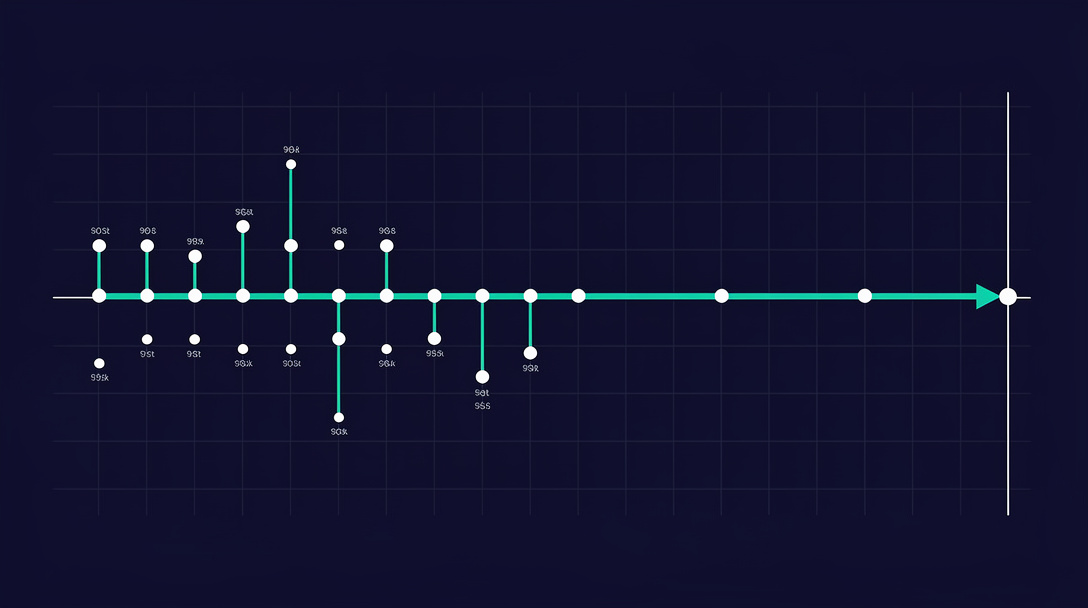
Pull the activity log on any internet lead that didn't close, and you'll usually see the same pattern. A flurry of calls and texts in the first few days. A couple more over the following week. And then, somewhere around day ten or fourteen, silence. The lead goes quiet in the CRM, gets mentally filed under "didn't pan out," and the team moves on to fresher opportunities.
Here's the problem with that pattern: a huge share of those buyers didn't actually go away. They just weren't ready yet. And right around the time your follow-up stopped, they were getting serious, with somebody else.
The Buyer's Timeline Doesn't Match Yours
The modern car buyer takes their time. They research online for weeks. They compare dealers, read reviews, watch walkaround videos, and wait for the right moment, the bonus to hit, the lease to end, the family schedule to settle. A meaningful portion of internet shoppers take more than thirty days to buy, and a large slice of those take sixty or ninety.
Your follow-up cadence, meanwhile, is usually built around your timeline, not theirs. It's built around this month's numbers, the salesperson's bandwidth, and the very human tendency to assume that a lead who hasn't responded in two weeks is a dead lead. So the cadence front-loads everything into the first few days and trails off fast.
That mismatch is the whole problem. You're sprinting through your follow-up in the first two weeks while the buyer is settling in for a months-long decision. By the time they're ready to act, you've gone quiet, and the dealership that's still gently, helpfully in touch is the one that gets the call.
You Sourced The Lead. Your Competitor Closed It.
This is the part that should sting a little. When a buyer you stopped following up with goes and buys from someone else sixty days later, you didn't just lose a sale. You paid to source that lead, did the early work of engaging them, and then handed the finish to a competitor for free, simply by quitting too soon.
The lead didn't fail. The cadence did. And because the buyer transacted somewhere else, the loss never shows up cleanly in your reporting. It just looks like a lead that "didn't convert," when in reality it converted beautifully, for the store that stayed in touch.
This is why we talk about follow-up as a sourcing-protection issue, not just a conversion tactic. You've already spent the money to create the opportunity. Letting it die on day fourteen is throwing away the most expensive part of the work right before the payoff.
Persistence Isn't Pestering
The objection to all of this is always the same: won't following up for ninety days just annoy people?
It will, if you do it badly. If "follow-up" means the same generic "just checking in if you're still interested" message fired off every few days, then yes, you'll wear out your welcome fast and probably get marked as spam. But that's a failure of approach, not of persistence.
Good long-cycle follow-up is paced and genuinely useful. It varies the channel and the message. It offers something, a relevant piece of information, an answer to a question they raised, a heads-up about an incentive, a no-pressure check-in at a sensible interval. It respects that the buyer is on their own timeline and positions your store as the helpful, low-friction option whenever they're ready.
Done that way, persistence doesn't feel like pestering. It feels like attentiveness. The buyers who genuinely aren't interested will opt out, and that's fine. The ones who are still deciding, the majority, will remember that you were the dealership that stayed helpful and present while everyone else vanished. That's exactly the discipline our Sales BDC is built to deliver: a structured, well-paced cadence that works every lead through the full window without ever tipping into annoyance.
Why Follow-Up Really Breaks Down
It's tempting to look at short follow-up cadences and conclude the team isn't trying hard enough. That's almost never the real cause. The cause is structural.
Salespeople are measured, and paid, on the deals they close this month. That's exactly as it should be, but it means their attention naturally flows to the customers closest to buying right now, the up on the lot, the lead that's ready to come in today. A lead that won't transact for two months can't compete for that attention, and it shouldn't have to. It's not that anyone decided to abandon the long-tail buyer. It's that nobody owns them.
That's the gap. Long-cycle follow-up isn't a willpower problem you can solve by telling people to try harder. It's an ownership problem. The leads that need patient, weeks-long nurturing need someone whose actual job is to nurture them, not someone whose incentives pull them somewhere else every single day.
Build The System, Not The Reminder
The dealerships that consistently win the 90-day buyer don't have more disciplined salespeople. They have a system that owns the follow-up, so it happens regardless of how busy the showroom is or whose memory it depends on.
That system does a few things well. It works every lead on a deliberate cadence across the full decision window. It varies the message so the outreach stays relevant instead of repetitive. It tracks where each buyer is in their timeline. And critically, it sits outside the salesperson's daily scramble, so the long-tail leads get worked even when the floor is busy.
If your follow-up tends to evaporate after the first couple of weeks, the fix isn't a motivational speech. It's a structural one. And if you're not sure where exactly your process drops the long-cycle buyer, that's worth diagnosing directly; our consulting work maps where leads leak across the full funnel and builds the cadence to close the gap.
The 90-day buyer isn't a lost cause. They're one of the best opportunities you have, already sourced, already engaged, just not ready on your schedule. The only question is whether you'll still be there when they finally are.